Stepping up safety and teamwork for perinatal care, starting in communities.

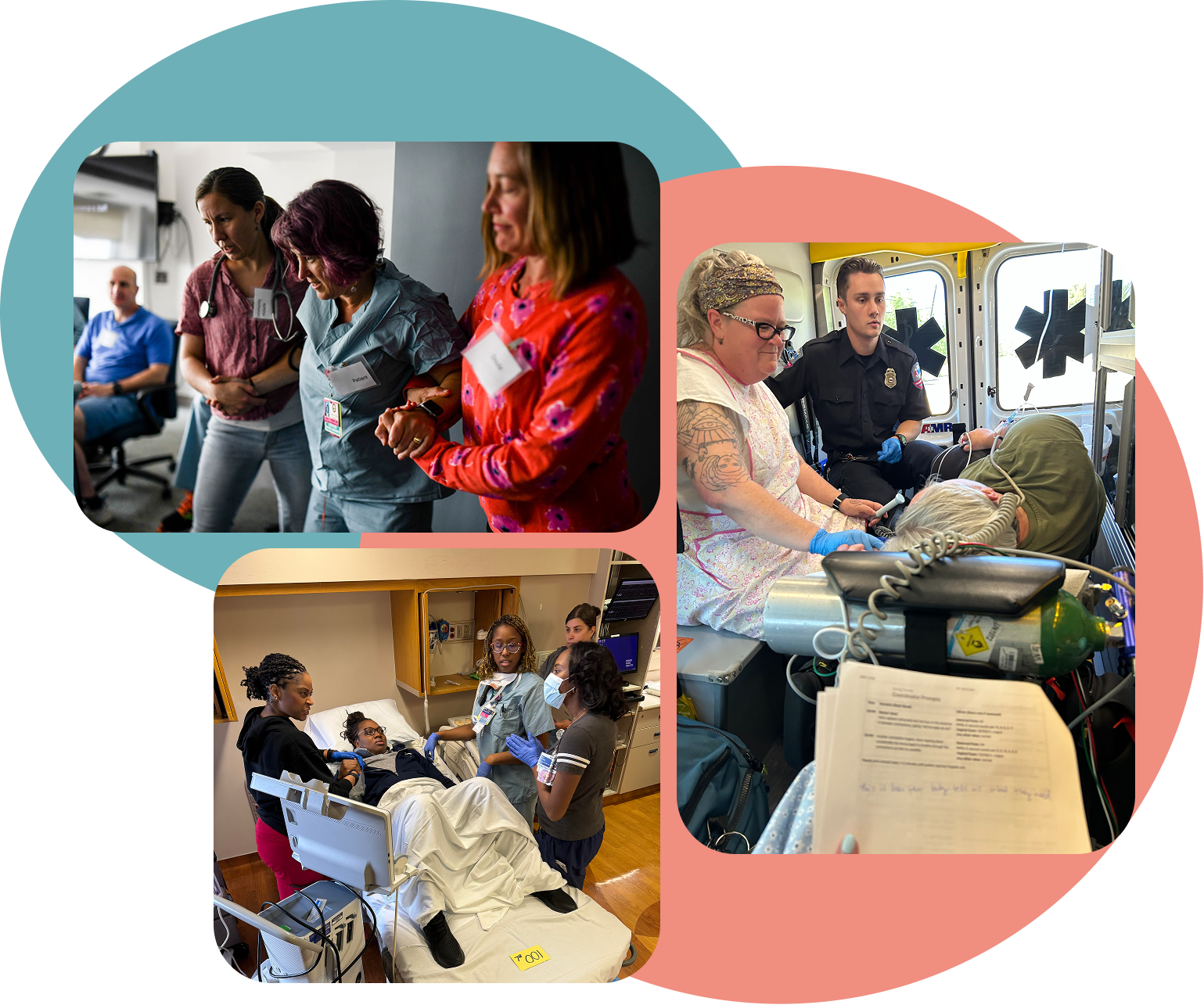
Step Up Together® supports community and hospital-based perinatal care teams in strengthening emergency readiness, improving transfer processes, and building trusted relationships across levels and locations of care.

Through practical tools, expert coaching, collaborative learning, and a growing national community, we help organizations turn improvement goals into real-world action—because safe, respectful care is possible everywhere when we work together.

Why Step Up Together?

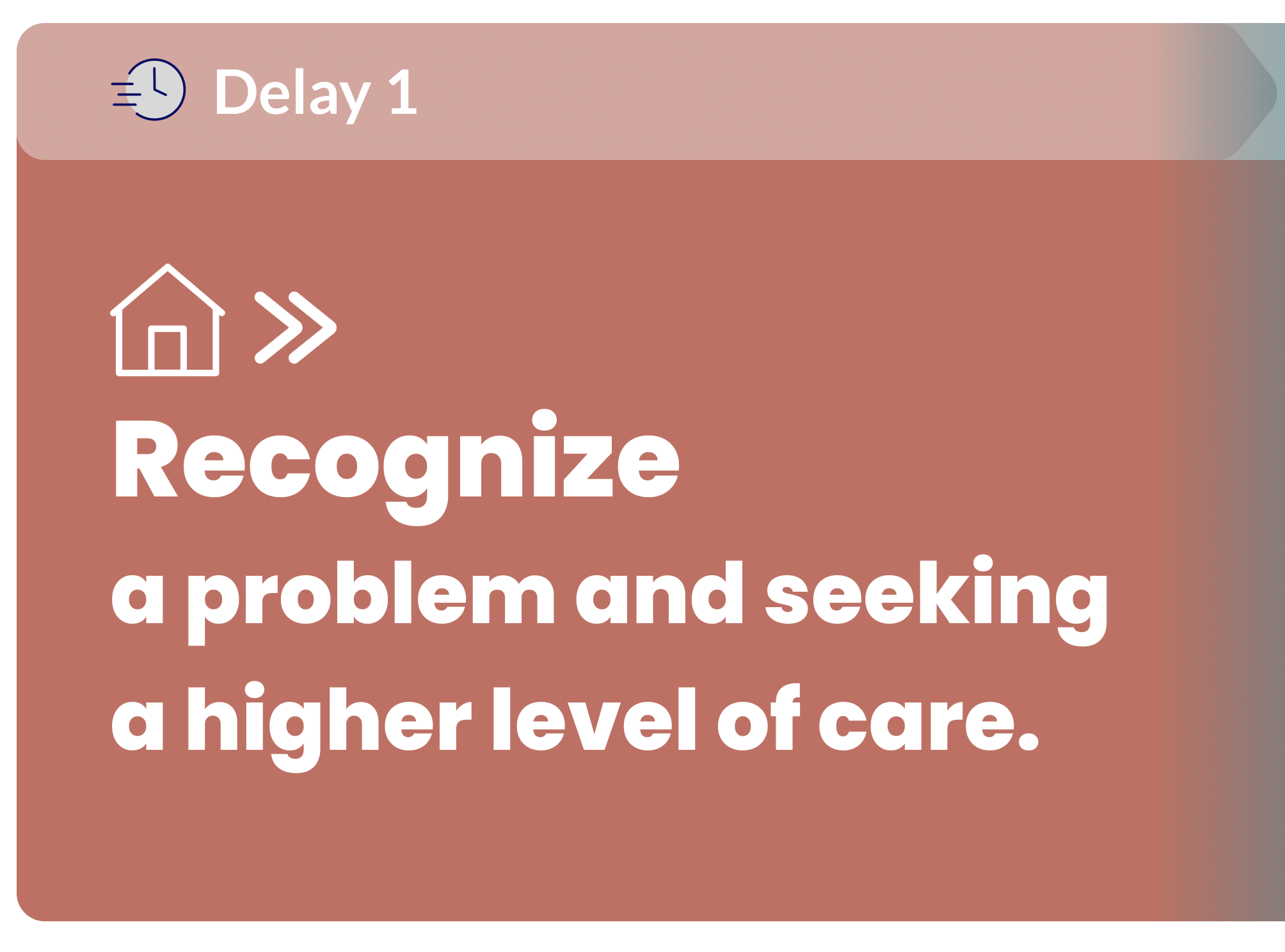
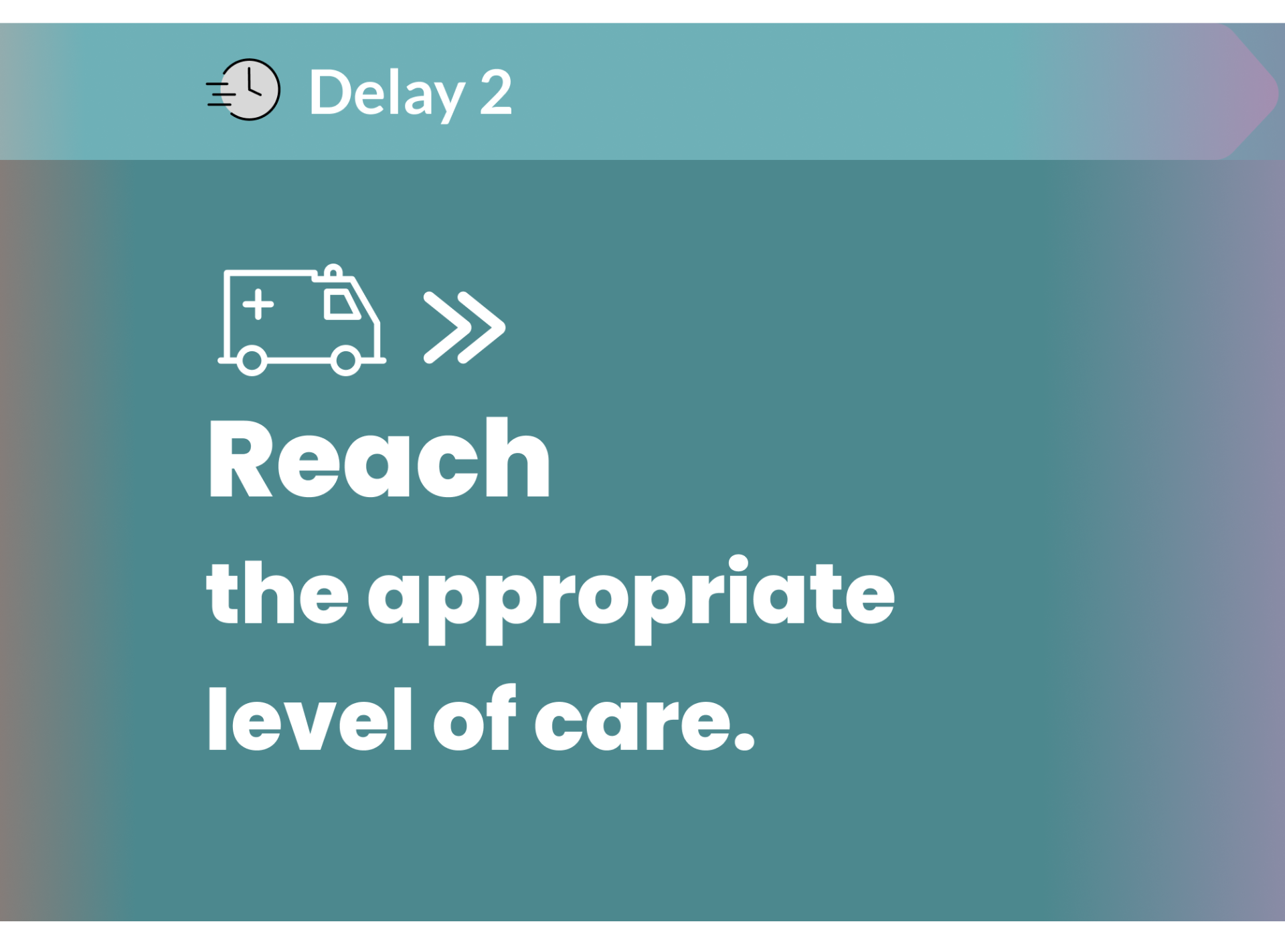
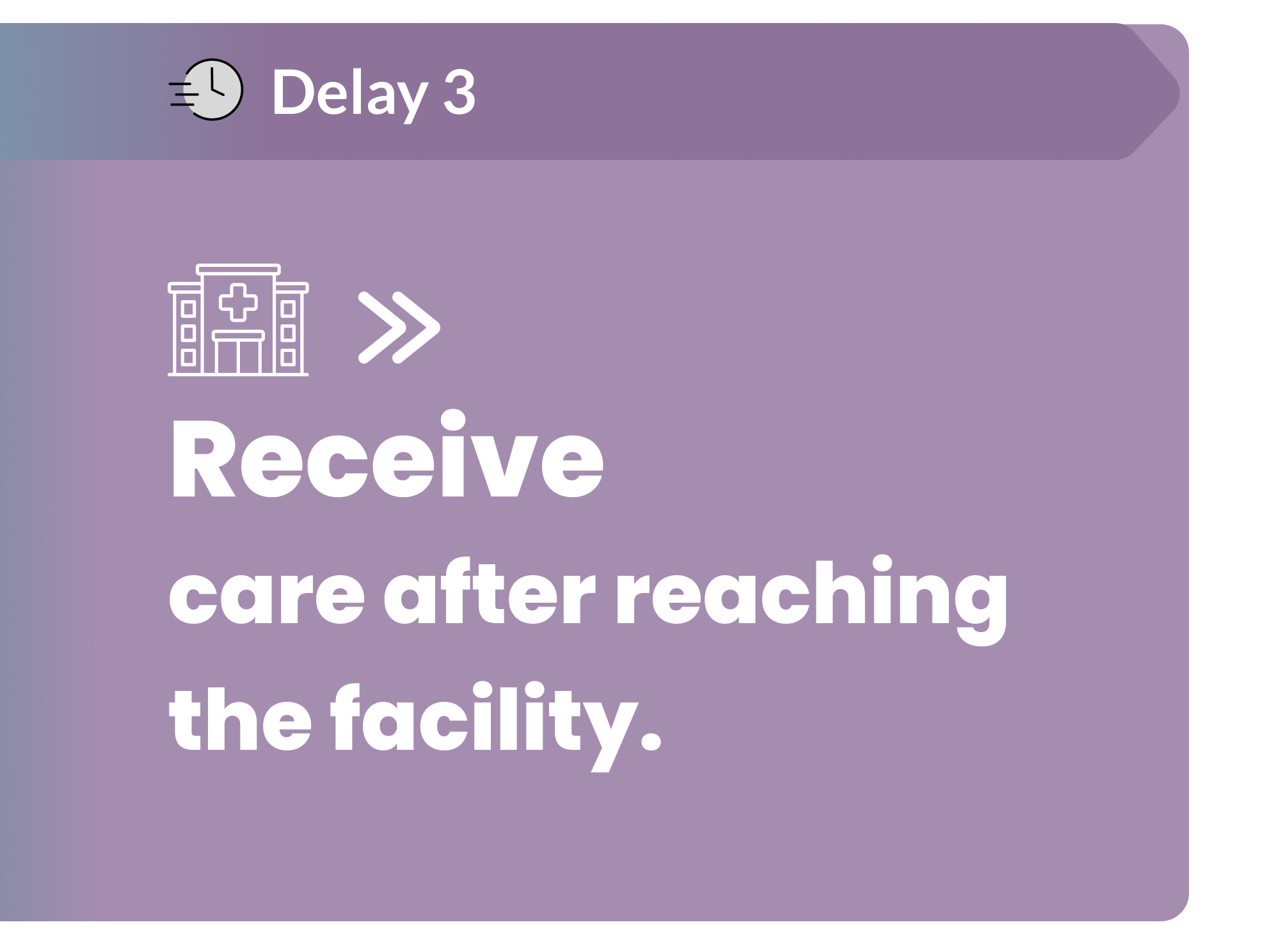
In community-integrated maternity care models, preventable morbidity and mortality are often related to one or more delays outlined in Primary Maternity Care's Three Delays Framework.

Three Delays Framework

Step Up Together addresses each of these delays through coordinated educational, operational, and implementation strategies that strengthen both clinical response and systems of care.

Our Building Blocks

Step Up Together is built around three mutually reinforcing components: Tools, Coaching, and Community.

Tools

Practice-ready educational and simulation resources such as self-paced learning modules, continuing education activities, modular Drill Kits, implementation guides, facilitator resources, readiness assessments, clinical decision support tools, and more.

Coaching

National care model innovators, clinical experts, and quality improvement specialists provide operational planning, faculty consultation, simulation facilitation, technical assistance, and quality improvement support tailored to each organization's context. 

Community

Multidisciplinary peer learning, Regional Implementation Teams, professional partnerships, and a national Community of Practice that supports shared learning, dissemination of innovations, and long-term sustainability.
Integrating All Three Components

Action Collaboratives

Learn Together. Improve Together.
The Action Collaborative brings together perinatal care leaders from across community, hospital and EMS settings to participate in a structured improvement journey supported by expert faculty, coaching, peer learning, and implementation support.
Participants gain access to:
  • Interactive learning sessions
  • Clinical and quality improvement coaching
  • Practical implementation guidance
  • Peer-to-peer learning with teams facing similar challenges
  • Tools and resources that support sustainable change
The Collaborative is built on a relationship-centered approach that supports participant engagement while helping teams implement transfer drills and improvement strategies in their local communities.
Tools

Drill Kits

Ready-to-Use Perinatal Emergency Drills
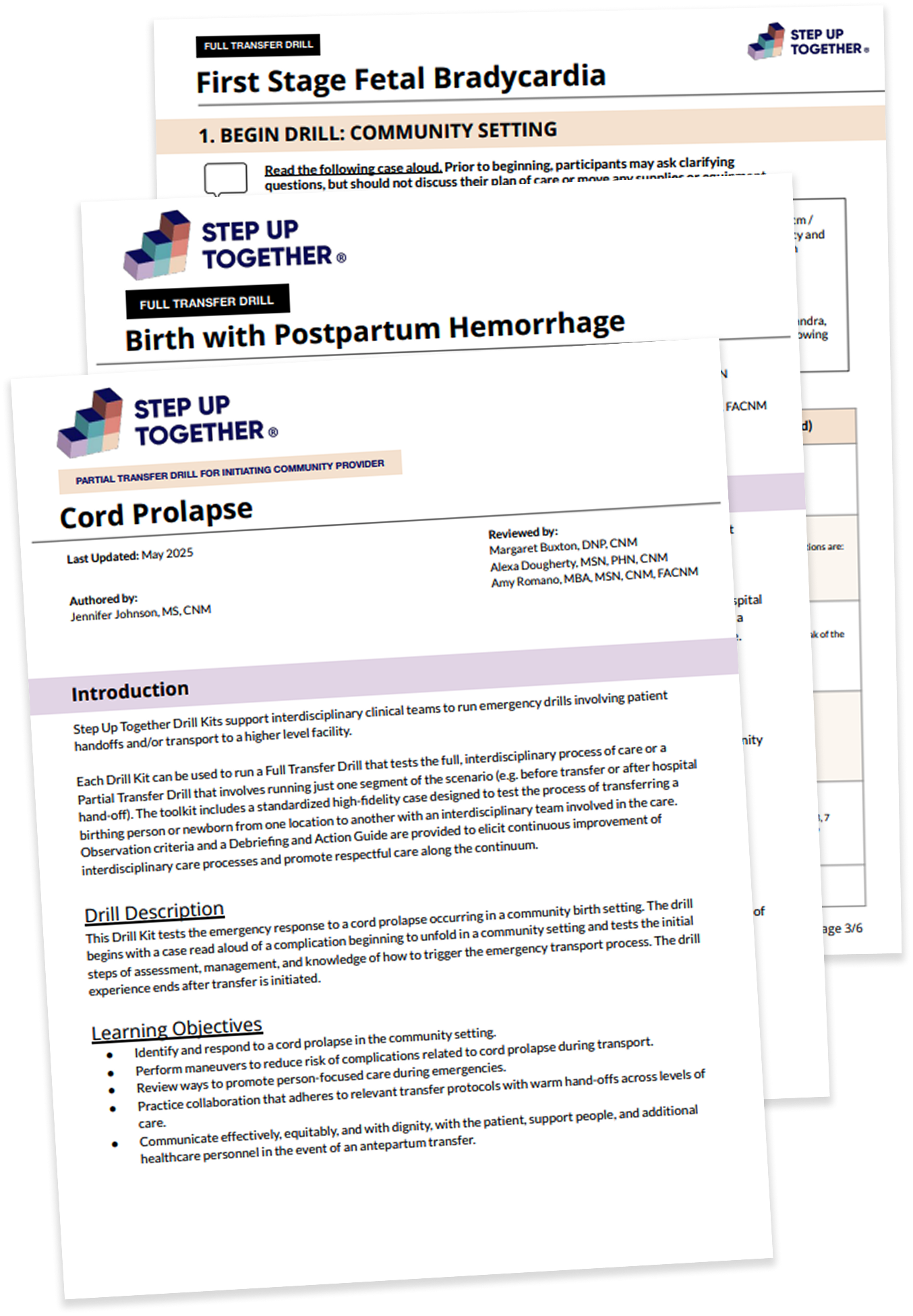
Our Drill Kits help teams conduct simulation-based emergency drills and quality improvement activities within their own organizations and communities. Each kit provides practical resources that make it easier to practice high-risk scenarios, strengthen communication, and identify opportunities for improvement.
Designed for interdisciplinary learning and real-world implementation, Drill Kits help teams:
  • Practice emergency response skills
  • Improve transfer readiness
  • Strengthen communication across settings
  • Identify system gaps before emergencies occur
  • Build confidence through structured learning and debriefing

Downloads

Drill Kits Users

US States
Self-Paced CNE Accredited Course

Intermittent Auscultation Simulation-Based Education
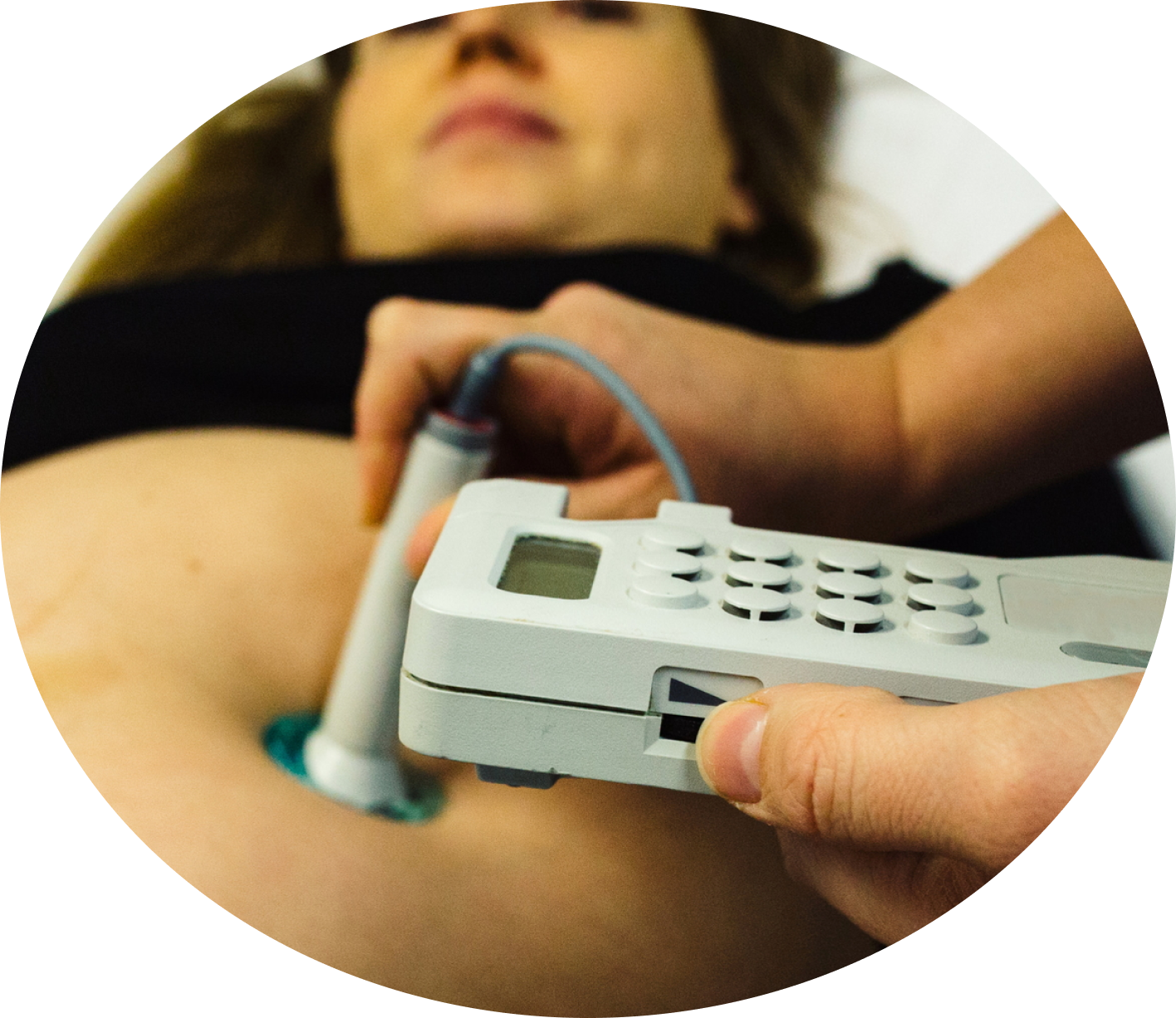
Primary Maternity Care and the Institute for Perinatal Quality Improvement (PQI) have partnered to offer a special Step Up Together edition of Intermittent Auscultation Simulation-Based Education—a virtual course designed for nurses, midwives, paramedics, physicians, and other clinical team members committed to providing safe, patient-centered care during labor.
At the completion of this course, learners will be able to:
  • Identify the benefits of intermittent auscultation compared with continuous electronic fetal monitoring.
  • Demonstrate auscultation and interpret fetal heart rate baseline, accelerations, and decelerations.
  • Describe how to distinguish between maternal and fetal heart rate during intermittent auscultation.

Get the latest from
Step Up Together

Get updates about Step Up Together resources, drill kits and programs.
Thank you!

Step Up Together has been featured on