
You don't have to practice the entire transfer process to make meaningful improvements in safety, teamwork, and communication.
As participants in the 2026–27 Step Up Together Action Collaborative prepare to test their transfer processes, we're encouraging teams to start with a Partial Transfer Drill, an opportunity to practice, learn, and build confidence before tackling the complexity of a Full Transfer Drill.
A Partial Transfer Drill involves fewer moving parts and less coordination, but it can reveal important opportunities for improvement and lay the groundwork for stronger interdisciplinary collaboration.
What Is a Partial Transfer Drill?
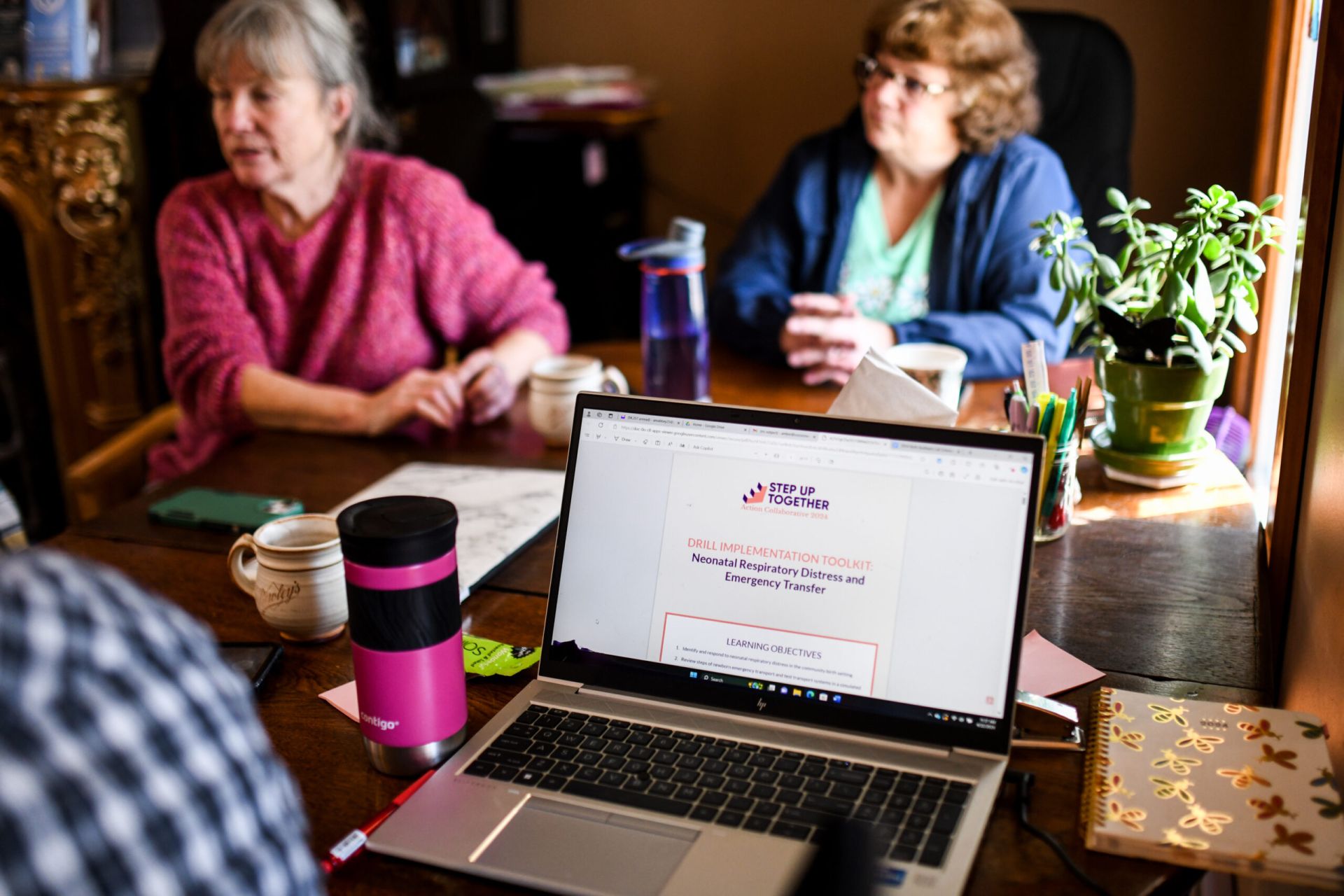
A Partial Transfer Drill tests one portion of the community-to-hospital transfer process, rather than following a patient through the entire continuum of care.
Drill Kits in the Step Up Together Library can be used to run two types of Partial Transfer Drills:
Drill Kits in the Step Up Together Library can be used to run two types of Partial Transfer Drills:

1. Community-Initiated Partial Transfer Drill

2. Hospital-Receiving Partial Transfer Drill
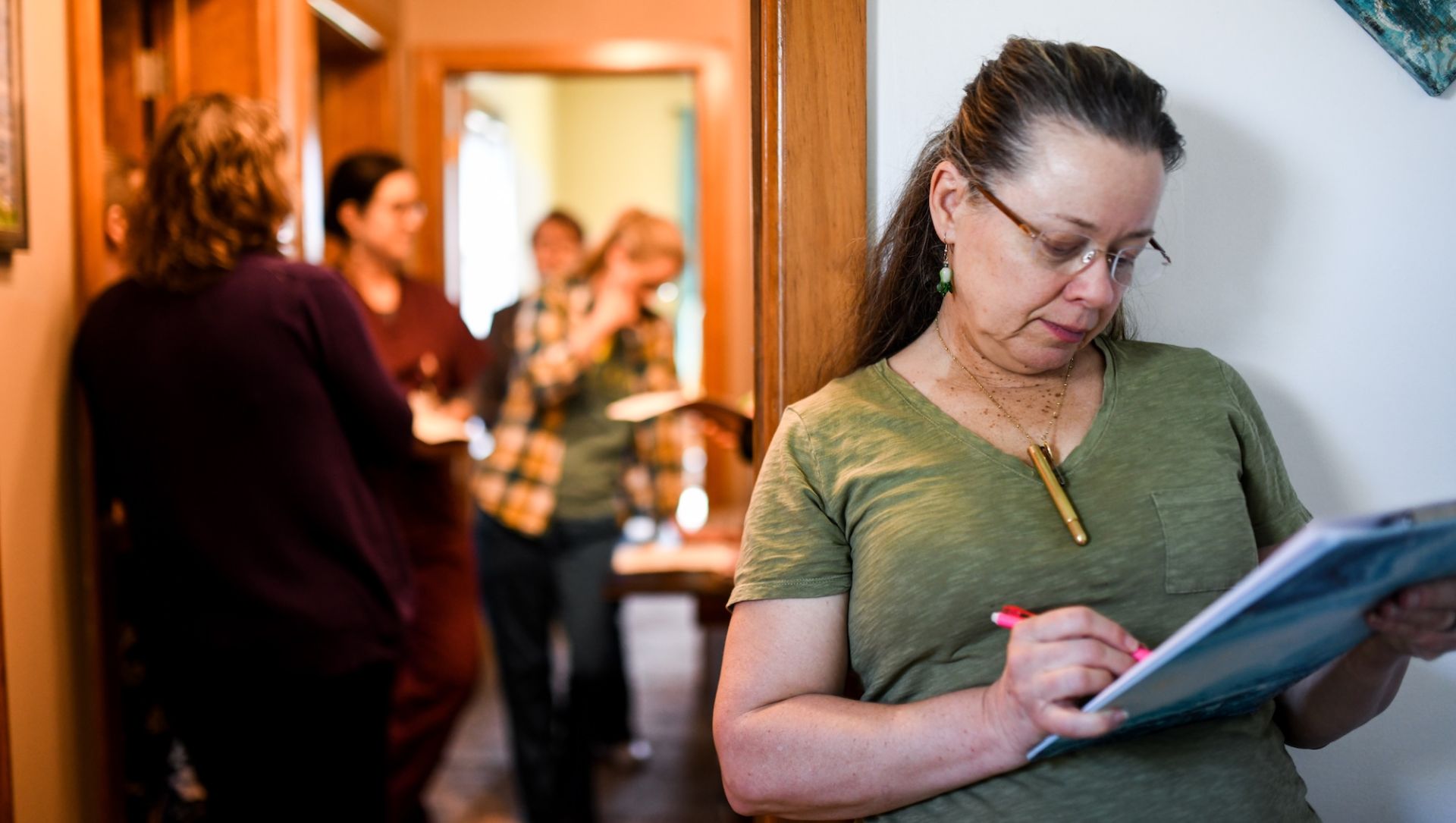
Why Start with Half the Transfer?
A Full Transfer Drill—following a simulated patient from home or birth center through EMS transport and into hospital care—is a powerful learning experience. But it requires substantial coordination across organizations.
Partial Transfer Drills offer several advantages:
Should You Invite Providers from Other Care Settings?

The Benefits of Including
Interdisciplinary Partners
Inviting colleagues from other settings can begin strengthening the relationships and mutual understanding essential to effective transfers.
These experiences can challenge assumptions, clarify scopes of practice, strengthen communication, and build trust before an actual emergency occurs.
Even colleagues who participate only as observers can offer valuable perspectives during the debrief.
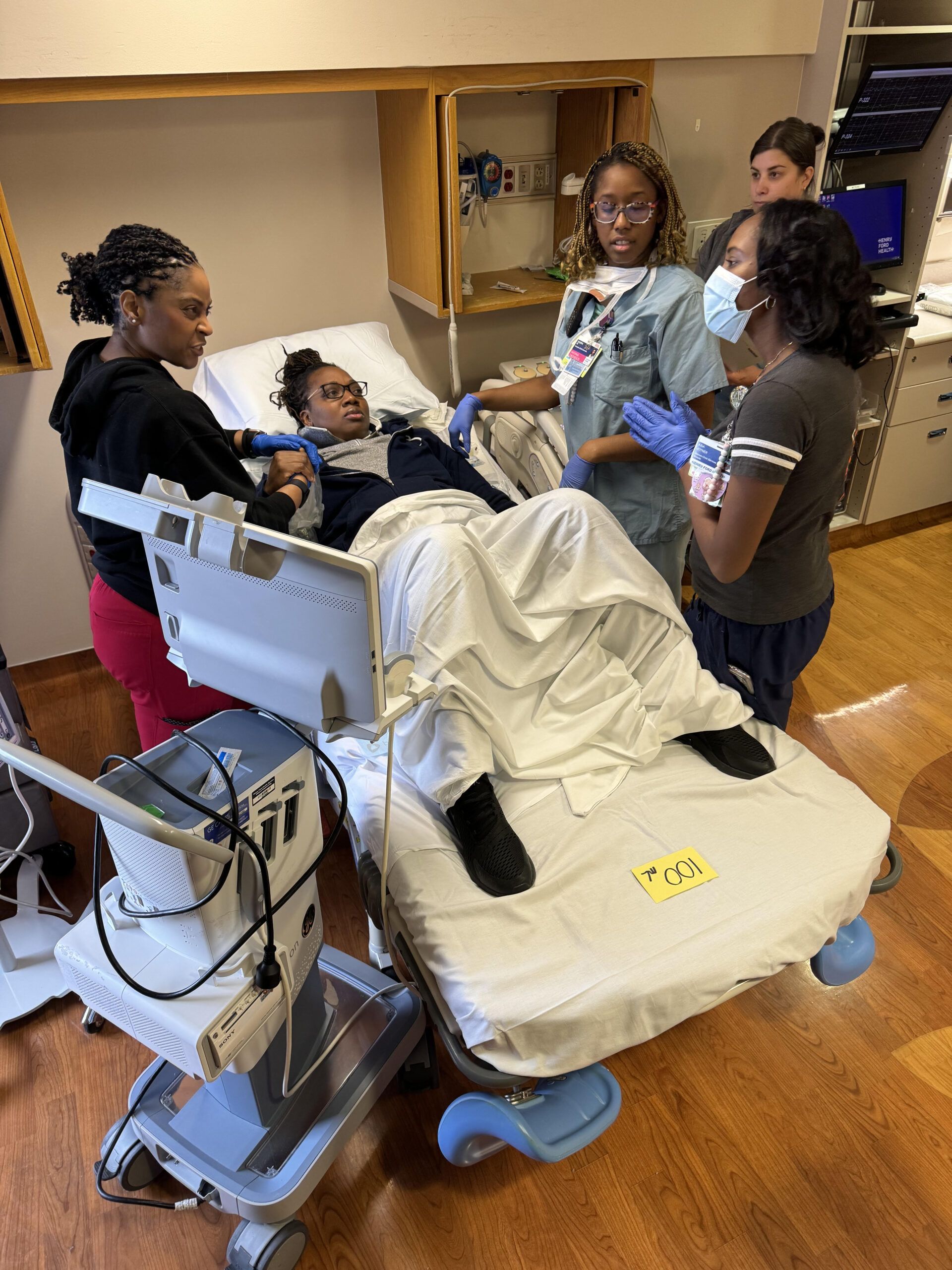
When hospital providers observe community midwives managing an emergency, they gain firsthand insight into their clinical skills, equipment, decision-making, and capabilities. Likewise, community birth providers participating in hospital-based drills can better understand hospital workflows, available resources, and the roles of different team members.
These experiences can challenge assumptions, clarify scopes of practice, strengthen communication, and build trust before an actual emergency occurs.
Even colleagues who participate only as observers can offer valuable perspectives during the debrief.
The Value of Practicing with
Your Own Team First
Simulation also requires vulnerability. Participants are asked to demonstrate skills, make decisions under pressure, and sometimes make mistakes in front of colleagues. This can feel particularly uncomfortable when relationships between organizations are new or trust is still developing.
Some teams may prefer to create a psychologically safe learning environment with familiar colleagues before inviting interdisciplinary partners.
A community birth team might want to practice using its Drill Kit and refining emergency roles before involving hospital or EMS colleagues. A hospital team might similarly want to test its internal notification and response processes first.
Both approaches are valid. The goal is to create the conditions for meaningful learning, not to evaluate individual performance. Starting within your own team can build confidence for more productive interdisciplinary drills later.
Making the Most of Your Partial Transfer Drill
A Starting Point, Not a Final Exam