Have you heard of the new CMS model designed to improve maternal health care?
As of January 2025, 14 states and D.C. are participating in the Transforming Maternal Health (TMaH) Model. TMaH is a 10-year care delivery and payment model that funds state Medicaid programs to focus on three pillars: 1) Access, Infrastructure & workforce capacity, 2) Quality improvement and safety, and 3) Whole-person care delivery.
This post explores how the Step Up Together® Program, with additional tools and support from Primary Maternity Care (PMC), maps directly to TMaH’s pillars so your team can hit the ground running.
What TMaH calls for: Expanded access to a full range of provider types (midwives, doulas), stronger birth center infrastructure, and supportive payment/coverage models.
How Step Up Together advances this pillar:Step Up Together is embedded within Primary Maternity Care, a specialty consulting services organization focused on integration of “first level” perinatal services such as community-based midwifery, birth centers, emergency medical services, community health centers and clinics, doulas and community health workers and more. PMC conducts research and analyses, issuing guidance on care model integration such as the Hospital Guide to Integrating the Freestanding Birth Center Model and the Connecticut Doula Integration Toolkit.
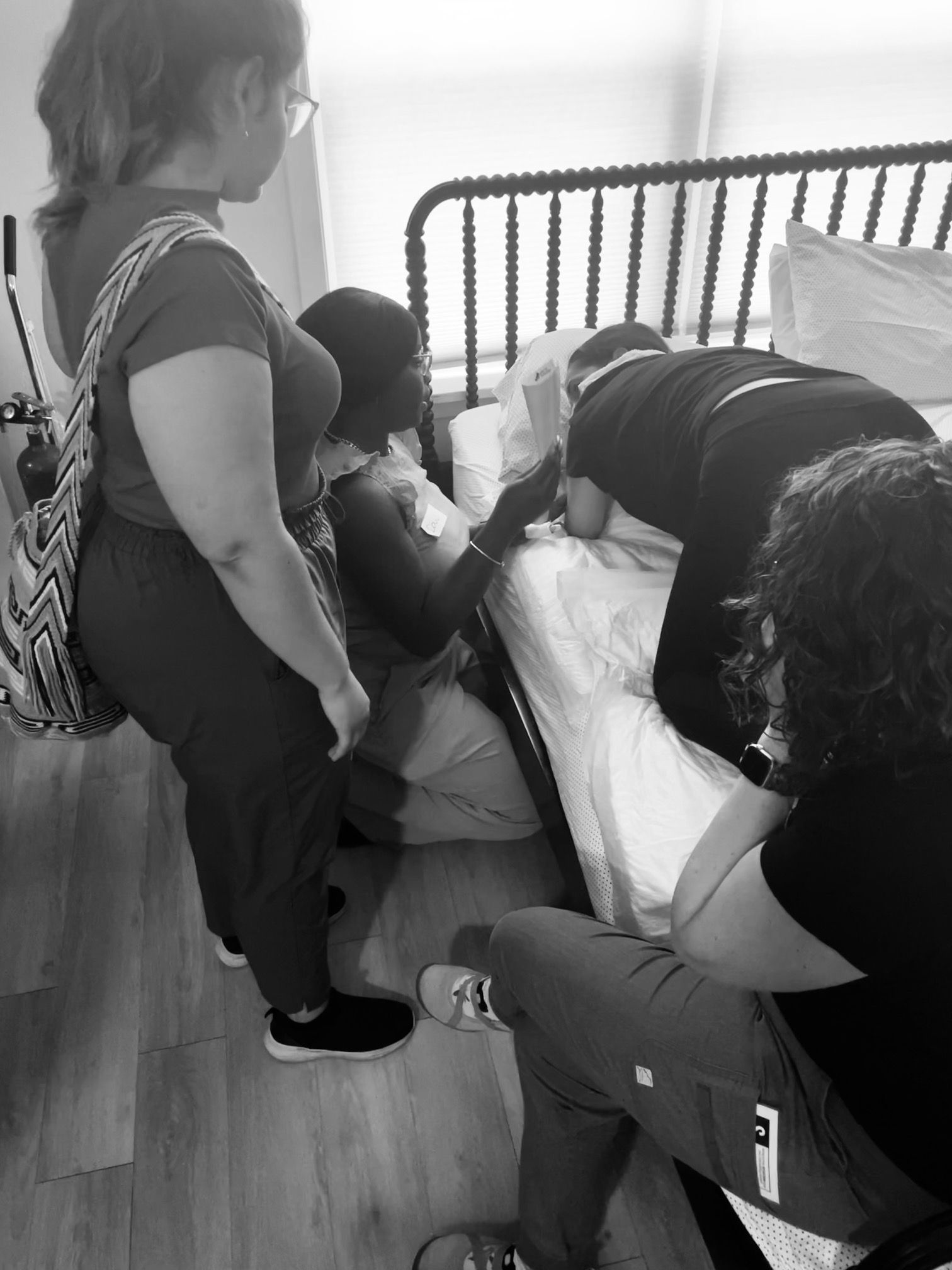
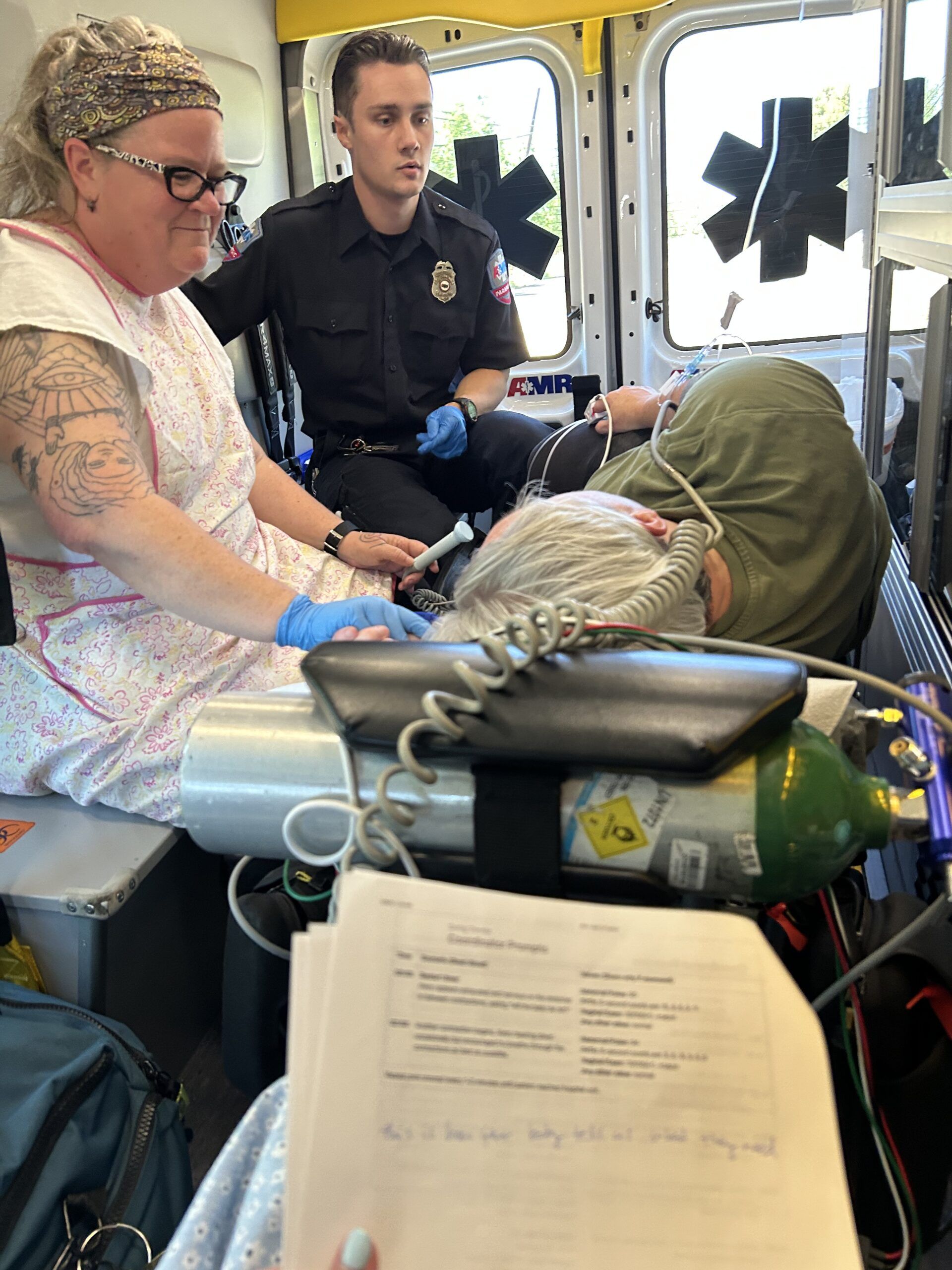
Through Step Up Together, we build collective capacity and mutual trust among midwives, doulas, nurses, EMS, and hospital teams, accelerating integration and readiness. By standardizing transfer processes and teamwork across levels and locations of care, Step Up Together strengthens team functioning and patient-centered care.
Through the Step Up Together network and engagement with dozens of implementing sites around the country, we develop insights and internal capacity that our PMC Consultants bring to bear to help states and systems build sustainable coverage pathways and midwifery staffing models. This looks like:
- Integration and partnerships: We guide health systems to incorporate birth centers, midwives, and doulas, including operationalizing referral pathways and interdisciplinary training.
- Coverage and payment strategy: We provide practical support on doula coverage, midwifery reimbursement, and birth center sustainability, aligned with state Medicaid goals.
- Data infrastructure: We develop and curate tools to support data collection and tracking quality indicators for community-based perinatal services.
What TMaH calls for: Robust quality improvement (QI) infrastructure, standardized patient-safety protocols, and adoption of evidence-informed practices across all birth settings.
How Step Up Together advances this pillar:
Step Up Together helps communities standardize emergency response and transfers, couples simulations with structured debriefs, and turns results into policy updates and QI initiatives, so improvement is visible and reportable. We partner with states and other conveners to provide:
- Simulation and team training: Ready-to-use training and Drill Kits aligned with AIM patient safety bundle topics (e.g., obstetric hemorrhage) and community birth transfers.
- Standardization: Clear checklists, algorithms, and role clarity that reduce variation and improve readiness system-wide.
- Quality and safety consulting: Co-design of emergency drills, safety protocols, and collaboration frameworks.
- Action Collaboratives and Community Debriefs: Structured QI programs that operationalize evidence-based practices and measure progress.
What TMaH calls for: Equitable, respectful, patient-centered care that addresses behavioral health and social needs.
How Step Up Together advances this pillar:Step Up Together incorporates respectful care, shared decision-making, and culture/communication improvement within simulations—reinforcing the patient experience goals central to TMaH. Our programs integrate equity-centered design, health-related social needs screening, and experience-of-care improvements rooted in the midwifery model’s whole-person orientation.
| The Issue |
PMC Provides |
| Limited access to full provider range |
Birth-center and midwife expansion and integration guidance; community partnership playbooks; technical assistance for sustainability. |
| Lack of doula access |
Doula integration toolkits and Medicaid coverage strategies for states and systems. |
| Safety practice variation |
Step Up Together drills, protocols, and AIM bundle-aligned kits to standardize readiness and reduce harm. |
| One-size-fits-all care |
Whole-person models with risk-appropriate care, family involvement, and respectful communication embedded in training. |
- Birthing people and newborns benefit from safer, more coordinated care and respectful communication—wherever birth begins.
- States and health systems get a blueprint for workforce expansion (doulas/midwives), infrastructure build-out, and a path to value-based payment.
- Teams build muscle memory via drills and debriefs, improving real-world transfers and crisis response across the community–hospital continuum.
Primary Maternity Care can help your state or health system translate TMaH from policy to practice. If you’re participating and want implementation support, QI programs, or strategy guidance for midwifery and doula services,
let’s connect!