From Drill to Real-World Change: The Most Common QI Projects Sparked by Full Transfer Drills
Full Transfer Drills are one of the most powerful tools for strengthening community-to-hospital transfer processes. They don’t just test logistics, they spark lasting quality improvement (QI) projects that make care safer and more seamless. Through the Step Up Together®Action Collaborative, we’ve seen clear patterns in the kinds of QI projects that emerge. These projects often map directly onto theThree Delaysframework, a proven lens for understanding barriers to safe and timely care.
Delay 1: Strengthening Preparedness in the Community
The first delay—recognizing a problem and initiating a transfer—can reveal gaps in preparedness and low-frequency clinical skills. Drills highlight how small investments can make a big difference:
Upgrading equipment: For example, purchasing a simple finger pulse oximeter so midwives can more easily track maternal pulse in an emergency or distinguish maternal and fetal pulse.
Expanding emergency skills: Organizing a neonatal resuscitation (NRP) course tailored to the community birth setting, like those offered byMidwives Untethered, prepares teams for rare but critical scenarios.
Delay 2: Smoothing the Transport Pathway
The second delay—reaching the appropriate level of care—often centers on communication and coordination with EMS. QI projects here frequently include:
Developing hand-off scripts for midwives: Creating standardized 911 activation or EMS hand-off scripts to ensure the right protocols are triggered quickly and roles on the collaborative team are established.
Collaborative skills training: Seeking opportunities to jointly train on key perinatal skills, such as inviting local EMS personnel to attend a scheduled NRP training, or training each other in skills, such as midwives providing basic birth training to EMS and EMS providing Basic Life Support or IV skills workshops to midwives.
Upgrading EMS equipment: Some drills lead to EMS services adopting specialized tools, like neonatal T-piece resuscitators, for safer care en route.
“We had great attendance from our EMS in particular. What was really great was one of the biggest things that our midwives worried about in particular was dealing with EMS, so i feel like this drill really helped on that point, just clear up some miscommunications, some things that we didn’t understand about EMS and some things that they didn’t necessary understand about us.“
— Action Collaborative participant
Delay 3: Ensuring Timely Care Upon Arrival
The third delay—receiving appropriate care after arrival—often points to bottlenecks inside the hospital. Teams commonly prioritize:
Bypassing the ED when appropriate: Establishing protocols for direct admission to labor & delivery or NICU saves precious minutes.
Educating hospital staff: Orienting hospital providers to the scope and role of community midwives fosters collaboration instead of conflict.
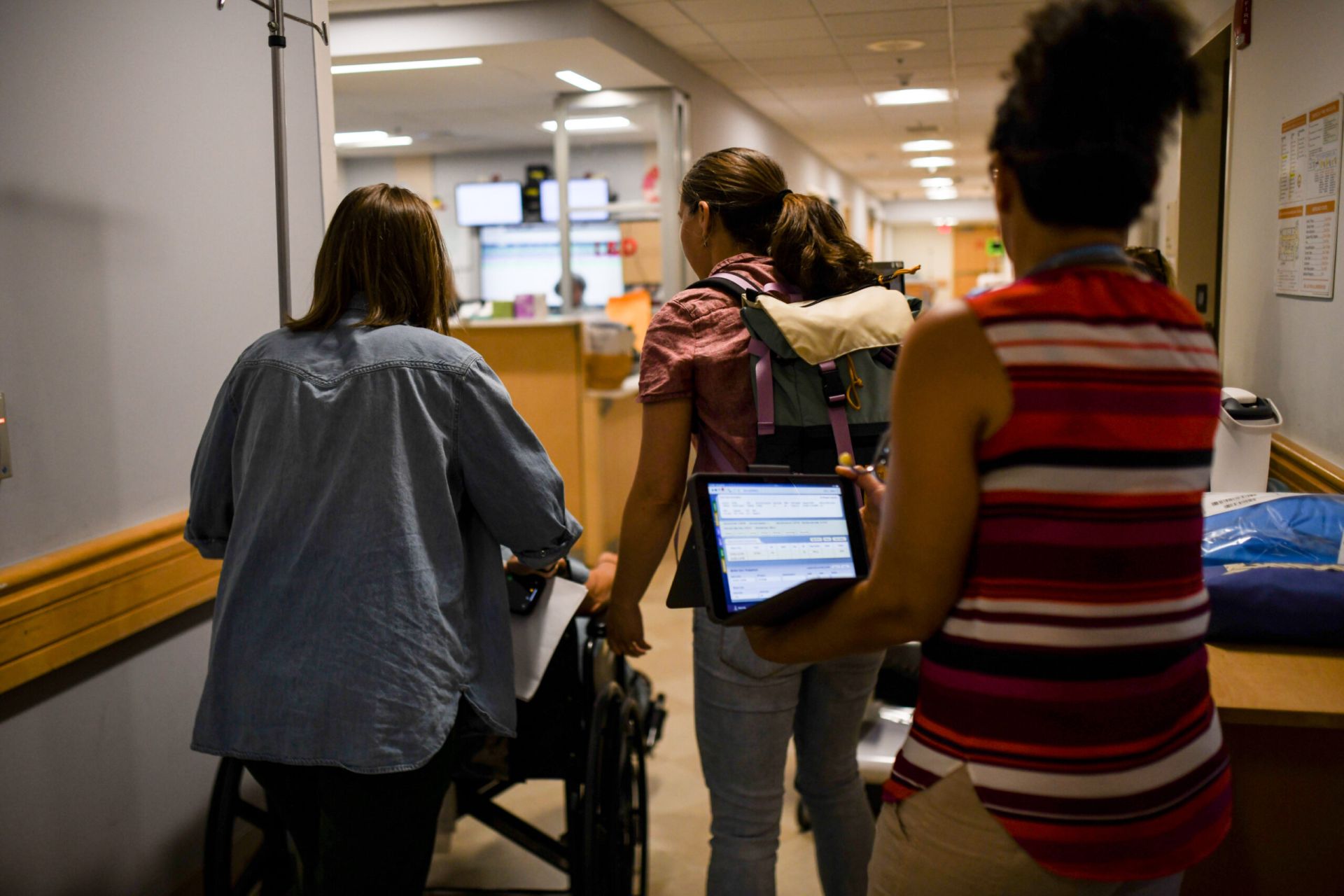
Streamlining documentation: Hospitals and midwives often co-develop processes to quickly start an EMR chart or ensure records from the midwife accompany the patient without delay.
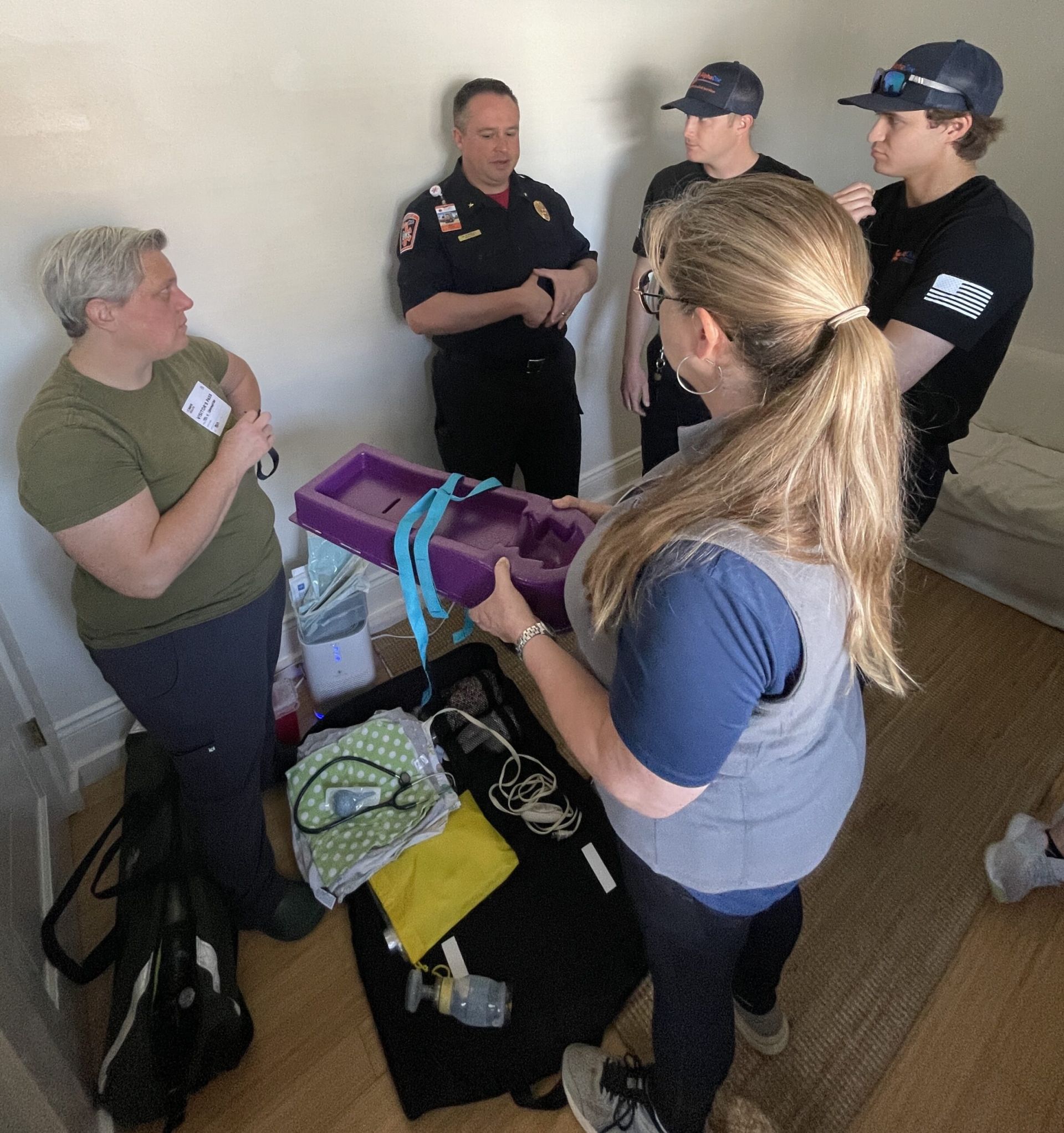
The NICU let us practice with a sim baby we brought to the birth center we physically transferred on a stretcher with EMS to [the NICU]. Everyone loved just going through the logistics of that, where a baby would go once there. It went really well. Everyone really enjoyed the experience. And we did come up with quite a few things that we’re going to change and update moving forward.
Action Collaborative participant
Tying It All Together: Building a Continuous Improvement Cycle
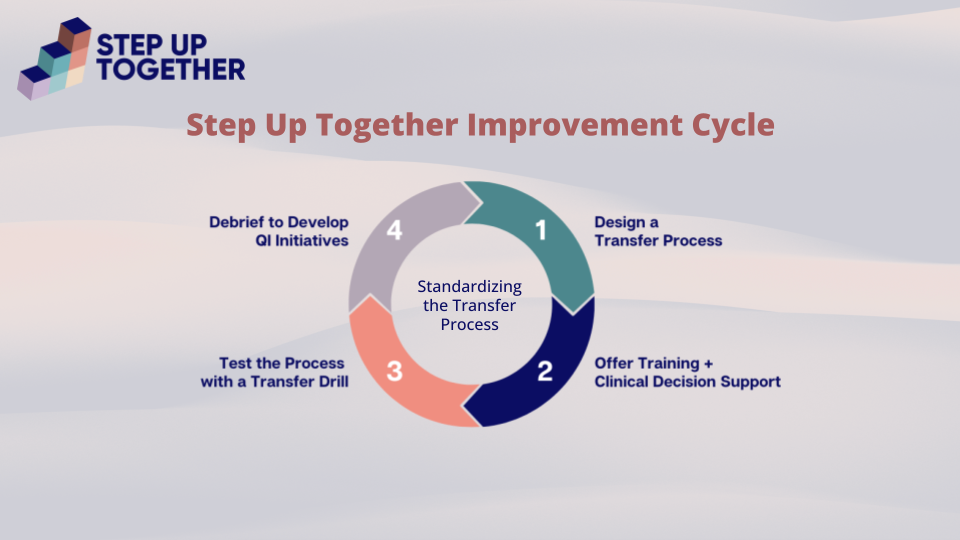
Full Transfer Drills don’t just expose challenges, they providea blueprint for continuous improvement. The most successful teams use the debriefing process to identify changes, implement them, and then run another drill to test improvements.
Every time a team runs a drill together, theystrengthen relationships, improve respectful collaboration, and expand trust across levels and locations of care. That culture of shared respect is as important as any protocol or piece of equipment.
We’ve talked about trying to replicate this experience, using the tools that we’ve gotten from this program at the different partner hospitals that we have in the community and the ways that we can integrate the transport team as well as EMS. The way that we, our hospital and EMS partners, keep it going is that we keep talking. It was certainly a lot to organize, but I feel like that was a first time thing and the next time will be a little easier and easier after that and I’m excited about that.
Action Collaborative participant
Ready to take the next step?
Visit theStep Up Together Drill Library, where you’ll find drills for12 different clinical scenarios, each designed to help teams prepare, practice, and grow together.
Join an upcomingAction Collaborative, ourmost effective programfor teams invested in conducting their first Full Transfer Drill.

 Visit the Step Up Together Drill Library, where you’ll find drills for 12 different clinical scenarios, each designed to help teams prepare, practice, and grow together.
 Join an upcoming Action Collaborative, our most effective program for teams invested in conducting their first Full Transfer Drill.